

Noland Tough Fence
How to Choose the Right Fence for Your Arizona Property:
A Complete Guide for Homeowners and Ranchers
Selecting the right fence for your property in Arizona is a crucial decision that impacts both aesthetics and functionality. With the state’s unique climate and diverse property types, homeowners and ranchers must consider various factors to ensure their fencing choice meets their needs. This comprehensive guide will explore essential considerations, the best fence types, and installation processes tailored for Arizona properties. By understanding these elements, you can make an informed decision that enhances your property’s security and visual appeal. We will also discuss maintenance practices, cost factors, and how to choose a reliable contractor for your fencing project.
Key factors to consider when selecting the ideal fence for properties in Arizona include:
When choosing a fence for your Arizona property, several key factors should guide your decision-making process. These include:
- Durability Against Harsh Climate: Arizona’s extreme temperatures and arid conditions can affect the longevity of fencing materials. Selecting materials that withstand heat and UV exposure is essential.
- Material Types Available: Different materials offer varying benefits, such as privacy, security, and aesthetic appeal. Understanding the options available will help you choose the best fit for your property.
- Functionality Based on Property Needs: Consider the primary purpose of the fence, whether for security, livestock management, or decorative purposes. This will influence the type and design of the fence you select.
What Are the Best Fence Types for Arizona Homes and Ranches?

Choosing the right type of fence is vital for both functionality and aesthetics. The best fence types for Arizona homes and ranches include:
- Chain Link Fencing: Ideal for security and visibility, chain link fences are durable and low maintenance, making them a popular choice for residential and commercial properties.
- Wood Fencing: Offering privacy and a classic look, wood fences can be customized in various styles. However, they require regular maintenance to prevent weathering.
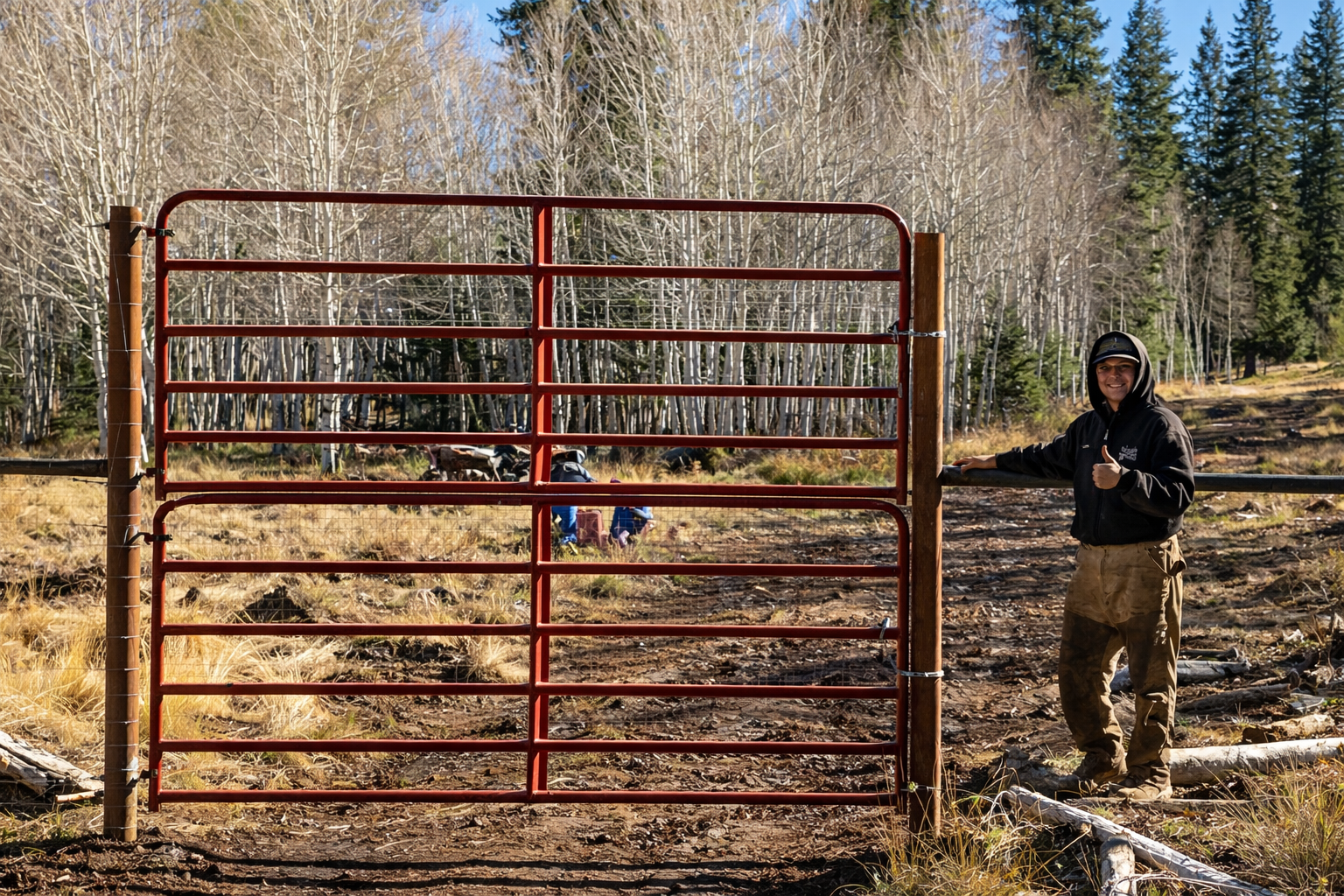
- Pipe Rail Fencing: Known for its strength and durability, pipe rail fencing is excellent for ranches, providing a robust barrier for livestock while allowing visibility.
| Fence Type | Benefits | Ideal Use |
|---|---|---|
| Chain Link | Durable, low maintenance | Security for residential and commercial properties |
| Wood | Aesthetic appeal, privacy | Residential areas needing a classic look |
| Pipe Rail | Strong, visible | Ranches for livestock management |
While these are some of the most popular fencing options for Arizona homes and ranches, they’re not the only choices available. Homeowners and property owners can select from a variety of materials and styles depending on their specific needs, preferences, and budget. These options cater to different needs, ensuring that property owners can find a suitable solution for their fencing requirements.
Other common fencing options include wrought iron for a more decorative and secure look, vinyl for low-maintenance durability, and specialty fencing such as pool or custom gate installations. Each option offers its own advantages in terms of appearance, maintenance, and functionality.
Exploring all available options with a professional fencing contractor can help ensure you choose the right solution for your property and long term goals.
How Do Wood, Metal, Vinyl, and Ranch Fences Compare in Durability and Maintenance?
When evaluating fencing materials, it’s essential to compare their durability and maintenance needs.
- Wood Fencing: While aesthetically pleasing, wood requires regular maintenance, including staining and sealing, to protect against rot and insect damage. Its lifespan can vary significantly based on the type of wood used and environmental conditions.
- Metal Fencing: Metal options, such as aluminum and wrought iron, are highly durable and require minimal maintenance. They resist weathering and can last for decades with proper care.
- Vinyl Fencing: Vinyl is a low maintenance option that does not require painting or staining. It is resistant to fading and can withstand harsh weather conditions, making it a practical choice for Arizona’s climate.
- Ranch Fencing: Typically made from wood or metal, ranch fencing is designed for durability and functionality. It often requires less maintenance than traditional wood fences, especially when treated properly.
Understanding these comparisons can help you select a fence that aligns with your maintenance preferences and durability expectations.
Which Fence Materials Are Most Suitable for Arizona’s Climate and Property Types?
Arizona’s climate necessitates careful consideration of fencing materials. The most suitable options include:
- Barbed Wire: Commonly used for livestock management, barbed wire is effective for keeping animals contained while being cost efficient.
- Chain Link: This material is ideal for residential properties, providing security without obstructing views.
- Wood: While it offers aesthetic benefits, wood should be treated to withstand the intense sun and dry conditions.
Choosing the right material based on your property’s specific needs and the local climate will ensure longevity and functionality. Talk to one of our teams experts to understand the best option for your property.
How Does the Fence Installation Process Work for Residential and Ranch Properties in AZ?

The fence installation process involves several critical steps to ensure a successful outcome.
- Assessment of Property Needs: A thorough evaluation of the property is essential to determine the type of fence required based on purpose and local regulations.
- Material Selection: Choosing the right materials based on durability, aesthetics, and budget is crucial for a successful installation.
- Installation Steps: The installation typically involves marking the fence line, digging post holes, setting the posts, and attaching the fencing material.
Noland Tough specializes in providing expert installation services, ensuring that your fence is installed correctly and efficiently. Their rapid response capability and commitment to quality craftsmanship make them a reliable choice for Arizona property owners.
What Are the Typical Installation Timelines and Steps for Arizona Fence Projects?
Understanding the timeline for fence installation can help you plan effectively. Typical installation timelines for Arizona fence projects include:
- Initial Assessment: 1 to 2 days for property evaluation and material selection.
- Installation: Depending on the fence type and length, installation can take anywhere from a few days to up to a week.
- Final Inspection: After installation, a final inspection ensures that the fence meets local regulations and quality standards.
Factors affecting timelines include weather conditions, material availability, and the complexity of the installation.
How Do Licensed Fence Contractors Near Me in Arizona Ensure Quality and Compliance?
Licensed fence contractors play a crucial role in ensuring that your fence installation meets quality standards and local regulations. They typically:
- Maintain Licensing and Certifications: Licensed contractors are required to adhere to state regulations, ensuring compliance with safety and building codes.
- Utilize Expertise in Challenging Environments: Experienced contractors understand the unique challenges posed by Arizona’s climate and terrain, allowing them to recommend suitable materials and installation techniques.
- Use Quality Materials: Licensed contractors often have access to high quality materials that may not be available to the general public, ensuring a durable and long lasting fence.
Choosing a licensed contractor like Noland Tough guarantees that your fencing project will be handled with professionalism and integrity.
What Maintenance Practices Extend the Life of Fences in Arizona’s Harsh Climate?
To ensure the longevity of your fence in Arizona’s harsh climate, consider the following maintenance practices:
- Regular Inspections: Conduct routine checks for signs of wear, damage, or pest infestations.
- Repairs and Upkeep: Address any issues promptly to prevent further damage. This includes replacing broken panels or reinforcing loose posts.
- Seasonal Considerations: Prepare your fence for seasonal changes by applying protective coatings or treatments as needed.
Understanding the unique environmental challenges of Arizona’s arid climate is crucial for selecting and maintaining durable fencing.
Climate Resilience & Fencing in Arid Arizona
dry cities such as Phoenix, Arizona, USA, and this finding establishes an ecosystem service potential for climate
Developing climate resilience in aridlands using rock detention structures as green infrastructure, BL Ruddell, 2021
Implementing these practices can significantly extend the life of your fence, ensuring it remains functional and visually appealing.
How to Maintain Different Fence Materials Against Arizona Heat and Weathering?
Different fence materials require specific maintenance strategies to withstand Arizona’s heat and weathering effects:
- Wood: Regularly apply sealants or stains to protect against UV damage and moisture. Inspect for rot and replace damaged boards as necessary.
- Vinyl: Clean with soap and water to prevent dirt buildup and fading. Inspect for cracks or discoloration and address them promptly.
- Metal: Apply rust-resistant coatings to prevent corrosion. Regularly check for signs of rust and treat them immediately to maintain structural integrity.
By following these maintenance tips, you can ensure that your fence remains in excellent condition despite the challenging climate.
What Are the Cost Effective Maintenance Solutions for Homeowners and Ranchers?
Homeowners and ranchers can implement several cost effective maintenance solutions to keep their fences in good condition:
- DIY Repairs: Simple repairs, such as replacing a few boards or tightening loose screws, can be done without professional help, saving on labor costs.
- Regular Cleaning: Keeping the fence clean can prevent long-term damage and reduce the need for costly repairs.
- Preventive Treatments: Applying protective coatings or treatments can extend the life of the fence and reduce the frequency of repairs.
These strategies can help you maintain your fence effectively while minimizing costs.
What Ranch Fencing Options Best Support Livestock Management &
Property Security in Arizona?
For ranchers, selecting the right fencing options is crucial for effective livestock management and property security. The best options include:
- Barbed Wire: Effective for containing livestock while being cost efficient.
- Electric Fencing: Provides a strong deterrent against predators and can be adjusted for different types of livestock.
- Pipe Rail Fencing: Offers durability and visibility, making it suitable for larger properties.
These fencing options cater to the specific needs of ranchers, ensuring both security and functionality.
How Do Specialized Ranch Fences Meet Arizona Ranchers’ Needs?
Specialized ranch fences are designed to address the unique challenges faced by Arizona ranchers. These fences typically feature:
- Rugged Construction: Built to withstand harsh weather conditions and the wear and tear of livestock.
- Remote Access Capabilities: Some modern ranch fences include automated gates or access points for convenience.
- Additional Services Offered: Many contractors provide ongoing maintenance and repair services to ensure the fence remains functional over time.
These features make specialized ranch fences an excellent investment for ranchers looking to protect their property and livestock.
What Are the Latest Trends in Durable Ranch Fencing Materials for 2024 to 2026?
As the fencing industry evolves, several trends are emerging in durable ranch fencing materials:
- Increased Demand for Durability: Ranchers are seeking materials that can withstand extreme weather and heavy use, leading to innovations in composite and metal fencing.
- Low Maintenance Materials: There is a growing preference for materials that require minimal upkeep, such as vinyl and treated wood.
- Sustainability Considerations: Eco-friendly materials and practices are becoming more popular, with ranchers looking for sustainable options that minimize environmental impact.
Staying informed about these trends can help ranchers make better decisions regarding their fencing investments.
How Can Emergency Fence Repair and Restoration Services Protect Your Arizona Property?
Emergency fence repair services are essential for protecting your property from unexpected damage. These services offer several benefits:
- Immediate Protection from Intruders: Quick repairs can prevent unauthorized access to your property, enhancing security.
- Preservation of Livestock: Timely repairs ensure that livestock remain contained, reducing the risk of loss or injury.
- Enhanced Security: A well maintained fence deters potential threats, providing peace of mind for property owners.
Utilizing emergency repair services can safeguard your property and livestock effectively.
When Is Emergency Fence Repair Necessary and How Quickly Can It Be Done?
Emergency fence repairs are necessary in several scenarios, including:
- Storm Damage: High winds or heavy rains can cause significant damage, requiring immediate attention.
- Vandalism: Acts of vandalism can compromise security, necessitating quick repairs to restore safety.
- Animal Escapes: If livestock escape due to a damaged fence, prompt repairs are crucial to prevent further issues.
Typically, emergency repairs can be completed within 24 to 48 hours, depending on the extent of the damage and the availability of materials.
How Does Insurance Coordination Work During Fence Restoration in Arizona?
Understanding how insurance coordination works during fence restoration is essential for property owners. The process typically involves:
- Filing a Claim: Property owners must file a claim with their insurance provider, detailing the damage and necessary repairs.
- Assessment by Insurance Adjuster: An adjuster will evaluate the damage and determine coverage based on the policy.
- Coordination with Contractors: Once approved, the insurance company will coordinate with licensed contractors to ensure repairs are completed efficiently.
Being proactive in understanding this process can help property owners navigate insurance claims more effectively.
What Are the Key Cost Factors and Permit Requirements for Fence Installation in Arizona?
Several cost factors and permit requirements must be considered when planning a fence installation in Arizona:
- Cost Breakdown for Materials: The type of materials chosen significantly impacts the overall cost. For example, wood and vinyl may have different price points.
- Permit Requirements: Depending on local regulations, permits may be required for certain types of fences, particularly in residential areas.
- Factors Affecting Installation Costs: Labor costs, site preparation, and the complexity of the installation can all influence the final price.
Understanding these factors can help property owners budget effectively for their fencing projects.
How Much Does Fence Installation Typically Cost for Arizona Homeowners and Ranchers?
The cost of fence installation in Arizona varies based on several factors, including:
- Average Installation Costs: On average, homeowners can expect to pay between $15 to $30 per linear foot, depending on the material and design.
- Factors Influencing Pricing: The complexity of the installation, local labor rates, and material availability can all affect the final cost.
By considering these factors, property owners can make informed decisions about their fencing investments.
What Permits Are Required to Install a Fence in Arizona and How to Obtain Them?

Before installing a fence in Arizona, it’s important to understand local permit requirements to ensure your project complies with city, county, or state regulations.
Types of Permits Needed:
In most cities like Phoenix or Surprise, a building permit is typically required for fences over a certain height. Usually around 6 feet. However, for properties located in more rural or unincorporated (outskirts) areas, requirements may be less restrictive or handled at the county level instead of the city.
That said, even if a permit isn’t required, you may still need to follow:
- Property line and setback rules
- HOA guidelines (if applicable)
- Utility easements and right-of-way restrictions
Application Process: For properties within city limits, homeowners or contractors must submit an application to the local building department, including site plans and fence specifications. In unincorporated areas, you may need to check with your county (such as Maricopa County) for applicable guidelines or exemptions.
Navigating these requirements, especially for larger or rural properties can get complicated. A licensed contractor can help determine exactly what’s needed based on your location and ensure everything is handled correctly from the start.
Licensed & Certified Expertise You Can Trust
- AZ ROC License #271421
- Custom Applicator License #453
- Agricultural Commercial Applicator Certification PUC #62949 & #62487
- Pesticide Safety Trainer Certificate #8854
Whether your property is in the city or on the outskirts, having the right team ensures your fence is installed legally, safely, and built to last.
How Does Noland Tough Support Arizona Property Owners with Expert Fencing Solutions?
Noland Tough is dedicated to supporting Arizona property owners with expert fencing solutions. Their services include:
- Expertise in Various Fence Types: Noland Tough offers a wide range of fencing options, ensuring that property owners can find the perfect fit for their needs.
- Commitment to Quality Craftsmanship: With a focus on quality, Noland Tough ensures that every installation meets high standards of durability and aesthetics.
- Support for Challenging Environments: Their experience in Arizona’s unique climate allows them to recommend materials and techniques that withstand local conditions.
By choosing Noland Tough, property owners can trust that their fencing projects will be handled with professionalism and care.
What Makes Noland Tough a Trusted Fence Contractor for Arizona Homes and Ranches?
Noland Tough has established itself as a trusted fence contractor for Arizona homes and ranches due to several key factors:
- Professionalism and Quality Workmanship: Their team is committed to delivering high quality installations that meet client expectations.
- Effective Communication: Noland Tough prioritizes clear communication throughout the project, ensuring that clients are informed and involved.
- Positive Client Testimonials: Satisfied customers often highlight their reliability and expertise, reinforcing Noland Tough’s reputation in the industry.
These attributes make Noland Tough a preferred choice for property owners seeking reliable fencing solutions.
How to Contact Noland Tough for Emergency and Installation Services?
For property owners in need of fencing solutions, contacting Noland Tough is straightforward. They offer:
- Contact Methods: Property owners can reach out via phone or email to discuss their fencing needs and schedule consultations.
- Emergency Service Availability: Noland Tough is equipped to handle emergency repairs, ensuring that property owners receive prompt assistance when needed.
By choosing Noland Tough, you can ensure that your fencing needs are met with expertise and efficiency.
For those specifically interested in ranch fencing, Noland Tough provides tailored solutions to meet the unique demands of Arizona ranchers. Their expertise ensures that your livestock and property are well protected.
The significant investment in fencing for commercial livestock operations in Arizona underscores its critical role in ranch management.
Arizona Ranch Fencing Costs & Resources
small ranch sizes vvith low carrying capacity have fence resources worth $255,000. This compares with only $130,000 offence resources, almost half that of
Commercial livestock operations in Arizona, R Tronstad, 2000
Lorem ipsum dolor sit amet, quam felis adipi
laboris nisi ut aliquip ex elit aenean commodo
cum in culpa qui dolore..