

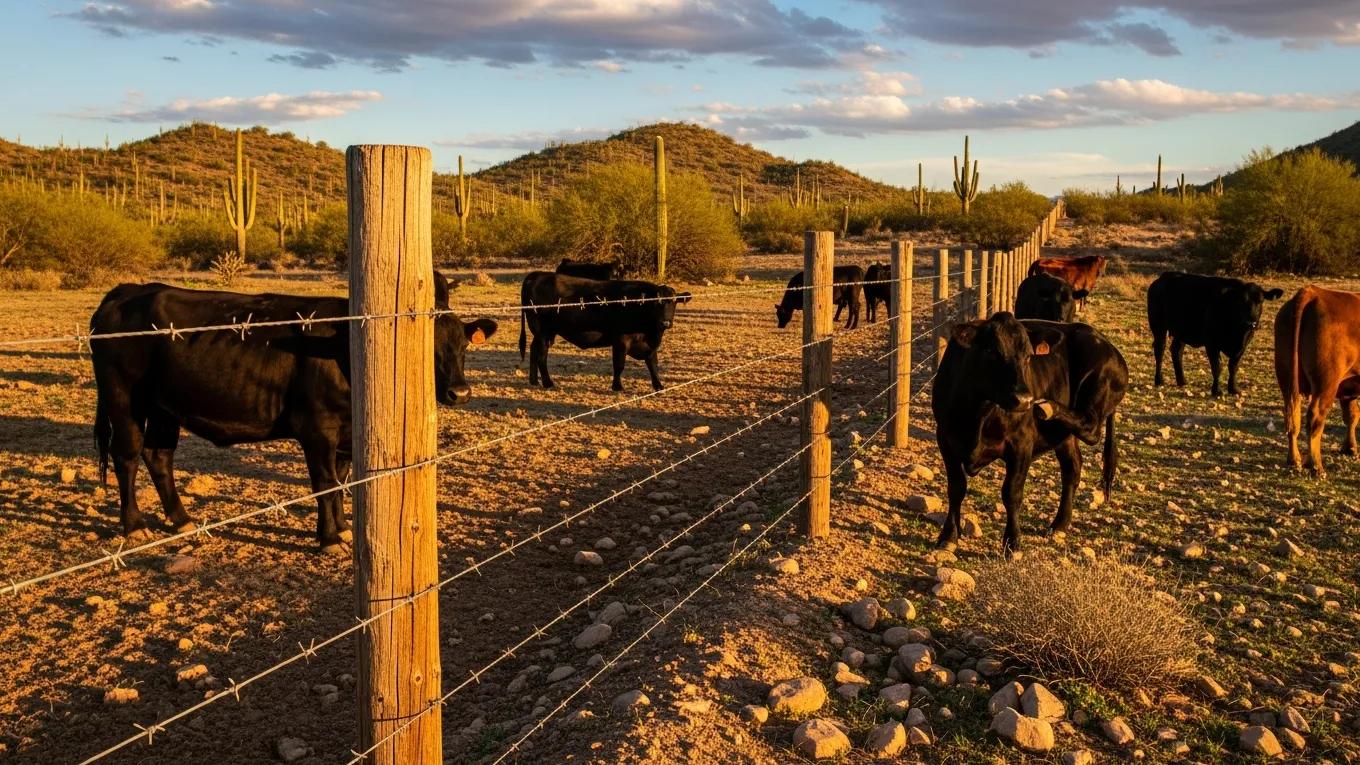
Cattle Fencing for Arizona Ranches: Barbed Wire, Pipe Rail, and Pipe Cable Fence Systems
Cattle fencing plays an important role in livestock management, property protection, and ranch operations throughout Arizona. In areas with large ranch properties and open land, choosing the right fencing system helps contain livestock, improve safety, and reduce long-term maintenance issues caused by weather, animal pressure, and terrain conditions.
Different fencing systems serve different purposes depending on the type of livestock, property layout, and level of durability needed. Barbed wire fencing remains one of the most commonly used options for large cattle properties, while pipe rail and pipe cable fencing are often chosen for their strength, visibility, and long-term durability. Ranch owners can also explore Noland Tough’s full range of fence services to better understand available fencing solutions for Arizona ranch properties.
“At Noland Tough, we work with ranchers who need fencing that can hold up to Arizona conditions and daily livestock use,” says Crystal Noland, Owner of Noland Tough Fence. “The right fence system depends on the property, the livestock, and how the land is being used long term.”
Fence systems in ranch environments need to withstand constant pressure from livestock, changing weather conditions, and long-term exposure to Arizona’s heat and terrain.
Common Types of Cattle Fencing for Arizona Ranches
Barbed Wire Fencing
Barbed wire fencing continues to be one of the most widely used cattle fencing systems because of its affordability and effectiveness for large ranch properties. It creates a strong containment barrier while remaining relatively cost-effective for long fence lines and larger acreage.
Pipe Rail Fencing
Pipe rail fencing is often selected for areas where additional strength, visibility, and appearance are important. Constructed from steel pipe, these systems are commonly used around entrances, corrals, livestock holding areas, and high-traffic sections of ranch properties.
Pipe Cable Fencing
Pipe cable fencing combines the strength of steel posts with cable rail systems, creating a durable fencing solution that works well for both cattle and horses. Many ranch owners choose pipe cable systems because they provide strong containment while maintaining a cleaner and more open appearance across the property.
Electric Fencing
Electric fencing may also be used in certain ranch applications to help manage livestock movement or add additional perimeter security when combined with other fencing systems.
Professional Cattle Fence Installation
Proper installation is one of the most important factors in long-term fence performance. Soil conditions, terrain changes, livestock pressure, and weather exposure all affect how well a fence system performs over time.
Professional cattle fence installation typically includes property evaluation, post spacing, gate placement, reinforcement planning, and selecting materials appropriate for the specific livestock and terrain conditions. In Arizona ranch environments, proper post depth and structural reinforcement are especially important for maintaining fence stability over time. Property owners looking for additional information can review Noland Tough’s complete fencing and ranch service offerings.
Fence Maintenance and Emergency Fence Repair
Regular fence inspections help identify damaged wire, leaning posts, weakened connections, and other issues before they become larger problems. Arizona weather conditions, livestock pressure, and storm damage can all affect fence stability over time.
Emergency fence repair services become especially important after severe weather, flooding, fallen debris, or livestock breaches. Quick repairs help reduce safety risks while preventing livestock from escaping or additional sections of fencing from becoming damaged.
Choosing the Right Fence for Your Ranch Property
The best fencing system depends on several factors, including livestock type, property size, terrain conditions, maintenance expectations, and long-term budget considerations.
Many Arizona ranch owners use a combination of fencing systems throughout the property. Barbed wire may be used for large perimeter fencing, while pipe rail fencing is often preferred near livestock handling areas, gates, and entrances where additional strength and visibility are needed. Ranch owners throughout Arizona can also explore Noland Tough’s local fencing services for regional fencing support and installation information.
Comparison of Common Cattle Fencing Types
| Fence Type | Durability | Maintenance | Best Use |
|---|---|---|---|
| Barbed Wire | High | Moderate | Large cattle properties |
| Pipe Rail | Very High | Low | Corrals, entrances, livestock areas |
| Pipe Cable | High | Low to Moderate | Mixed livestock properties |
| Electric Fencing | Moderate | Higher maintenance | Livestock control and perimeter support |
Frequently Asked Questions
Barbed wire fencing is one of the most common and cost-effective options for large cattle properties, while pipe rail fencing is often preferred for corrals, entrances, and high-traffic livestock areas because of its durability.
The lifespan depends on the fencing material, installation quality, and maintenance. Barbed wire fencing may last 10 to 20 years, while properly installed pipe rail fencing can last 25 years or more.
Pipe rail fencing provides excellent durability, visibility, and strength. It is commonly used for livestock containment areas where additional structural support and lower maintenance are important.
Professional installation helps ensure proper post depth, reinforcement, spacing, and material selection based on livestock needs and terrain conditions.
Yes, Noland Tough provides emergency fence repair and restoration services for damaged ranch fencing systems, including repairs related to storm damage, livestock breaches, and structural failures. Ranch owners can also contact Noland Tough Fence directly for fencing consultations and repair support.
Pipe rail fencing uses welded steel rails for maximum strength and visibility, while pipe cable fencing combines steel posts with cable rails to create a durable but more open fencing system.