

Noland Tough Fence
No-Climb Horse Fencing in Arizona: What It Is, When You Need It, and Why It Matters
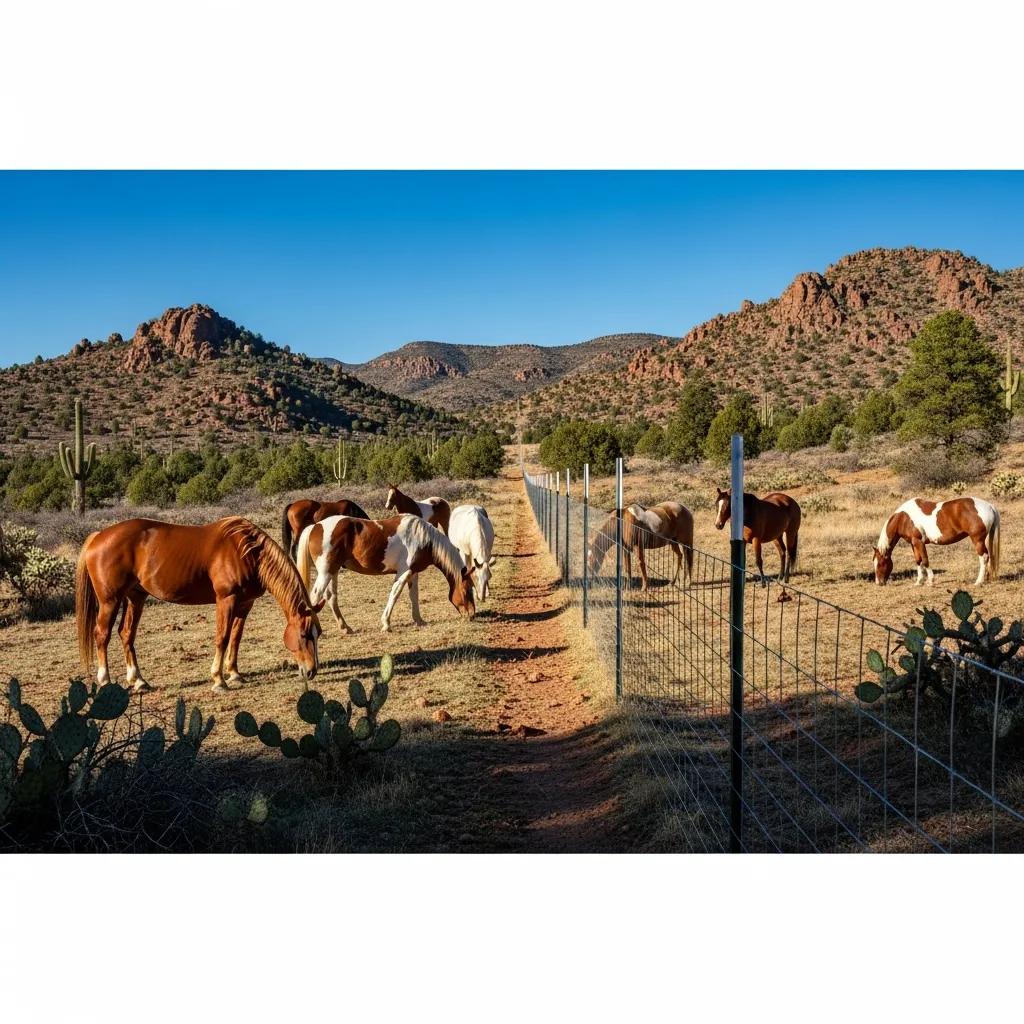
No-climb horse fencing is one of the most effective solutions for protecting horses and securing property in Arizona, where terrain, climate, and livestock behavior create unique challenges for traditional fencing systems. Designed with tightly woven wire that prevents hooves from getting caught, it provides a safer and more reliable alternative for horse owners managing active animals or large properties. In a state where rocky soil, open land, and extreme weather conditions can impact fencing performance, choosing the right system is essential. Understanding how no-climb fencing works and when it’s needed can help property owners make informed decisions that prioritize both safety and long term durability.
Benefits of No-Climb Fencing
No-climb fencing offers several advantages that make it an ideal choice for horse owners.
- Safety for Horses: The design of no climb fencing prevents horses from getting their hooves caught, reducing the risk of injury. This is particularly crucial for young or restless horses that may attempt to climb or lean against the fence.
- Durability of Materials: Constructed from high tensile wire, no climb fencing is built to withstand harsh weather conditions and the wear and tear of active horses. This durability ensures a long lasting solution for your property.
- Cost Effectiveness in the Long Run: While the initial investment may be higher than traditional fencing, the longevity and reduced maintenance needs of no climb fencing can lead to significant savings over time.
These benefits highlight why no climb fencing is a preferred choice among horse owners in Arizona. For those considering installation, it’s essential to understand the process involved. If you’re looking for comprehensive ranching solutions, exploring different options is a great first step.
The importance of selecting appropriate fencing for equine safety, especially for smaller horses and ponies, is a critical consideration for horse owners:
Equine Fencing for Horse and Pony Safety
equine but in the case of significantly smaller ponies and horses, accommodate their needs with fencing and stall panels that allow them similar safety
Horse stable and riding arena design, 2008
When You Need No-Climb Horse Fencing
No-climb horse fencing is especially important for properties with young or active horses, open grazing areas, or uneven terrain where traditional fencing can pose safety risks. It is commonly used on larger properties throughout Arizona where durability, visibility, and injury prevention are top priorities.
Property owners often choose no-climb fencing when upgrading from older fencing systems, addressing safety concerns, or installing fencing for new livestock areas.
Installation Process

Installing no-climb horse fencing requires careful planning, especially in Arizona where rocky soil and uneven terrain can impact post placement and long term stability. In areas such as Yavapai County and other rural parts of Arizona, rocky soil and elevation changes can significantly impact installation methods and overall cost. Proper spacing, secure anchoring, and consistent wire tension are essential to ensure the fence performs reliably over time.
For most properties, professional installation is recommended to ensure the system is built correctly from the start and can withstand both environmental conditions and livestock pressure.
Cost of No-Climb Horse Fencing in Arizona
The cost of installing no-climb horse fencing in Arizona can vary depending on the size of the property, terrain conditions, and materials used. Properties with rocky soil, elevation changes, or limited access often require additional labor, which can increase overall costs. Because of these variables, most fencing projects are evaluated on a case by case basis to ensure the fence is designed properly for both safety and long term durability.
What Affects the Cost
- Terrain conditions, especially rocky or uneven ground
- Total linear footage and fence layout
- Material quality and wire type
- Accessibility of the property for installation
For the most accurate estimate based on your property and terrain, it’s recommended to consult with a fencing professional familiar with Arizona conditions.
Safety Standards
No-climb fencing is specifically designed to reduce the risk of injury by preventing horses from getting hooves caught in the wire. In Arizona, where properties often include uneven terrain and open grazing areas, proper installation is critical to maintaining these safety benefits.
It’s important to follow local guidelines regarding fence height, spacing, and materials to ensure both compliance and effectiveness. A properly installed fence not only protects horses but also reduces liability for property owners.
Maintenance Tips
Maintaining no-climb fencing is relatively straightforward but essential for long term performance. Regular inspections help identify minor issues before they become larger problems, especially in environments where weather and livestock activity can cause wear over time. Keeping fence lines clear of debris and vegetation also helps prevent unnecessary strain on the wire and posts, ensuring the system continues to perform as intended.
Local Regulations
Before installing any type of fencing, property owners should be aware of local zoning laws and permitting requirements. Regulations can vary depending on the county or municipality, especially in rural areas throughout Arizona. In some locations, permits may be required based on fence height or placement. Working with a contractor familiar with local regulations can help avoid delays, fines, or the need for adjustments after installation.
Emergency Repair Services
Fence damage can occur unexpectedly due to weather, wildlife, or impact from livestock. When this happens, quick repairs are important to prevent further damage and maintain a safe enclosure. Professional repair services can assess the issue and restore the integrity of the fence efficiently, helping property owners avoid prolonged safety risks or additional costs. No-climb horse fencing remains one of the most reliable and widely used solutions for protecting horses and securing property in Arizona. With proper installation, routine maintenance, and attention to local conditions, it provides long term safety and durability for a wide range of properties. For property owners looking to install or repair fencing, working with an experienced contractor ensures the project is completed correctly and built to last.
Frequently Asked Questions
1. How does no-climb fencing compare to traditional fencing options?
No-climb fencing is designed specifically to improve safety by preventing horses from getting hooves caught or pushing through weak points. Compared to traditional fencing, it offers a more secure barrier and typically requires less maintenance over time. For properties in Arizona, where terrain and livestock activity can put stress on fencing systems, it is often considered a more reliable long-term solution.
2. What types of materials are best for no-climb horse fencing?
High tensile wire is the most commonly used material due to its strength and durability. Galvanized wire is also preferred because it resists rust and corrosion, which is especially important in Arizona’s climate. Strong fence posts, whether wood or metal, are equally important to ensure the system remains stable over time.
3. What are the common mistakes to avoid during installation?
Improper post spacing, loose wire tension, and inadequate site preparation are some of the most common issues. In Arizona, failing to account for rocky soil or uneven terrain can also lead to long-term stability problems. Ensuring proper installation from the start is key to avoiding costly repairs later.
4. How often should no-climb fencing be inspected for maintenance?
Fencing should be inspected at least twice a year, typically in spring and fall. Additional checks after storms or heavy livestock activity are also recommended. Regular inspections help catch small issues early before they turn into larger problems.
5. Are there specific local regulations for no-climb fencing in Arizona?
Yes, regulations can vary depending on the county or municipality. Property owners should review zoning requirements and any permitting rules before installation. Working with a contractor familiar with local regulations can help ensure compliance and avoid delays.
6. What should I do if my no-climb fence gets damaged?
If damage occurs, it’s important to address it quickly to maintain safety. Minor issues may be repairable, but more significant damage should be handled by a professional to ensure the fence is properly restored and continues to perform as intended.
7. Can no-climb fencing be used for other types of livestock?
Yes, no-climb fencing can be used for other livestock such as goats and sheep. However, spacing and installation may need to be adjusted depending on the size and behavior of the animals to ensure proper containment and safety.
Lorem ipsum dolor sit amet, quam felis adipi
laboris nisi ut aliquip ex elit aenean commodo
cum in culpa qui dolore..